

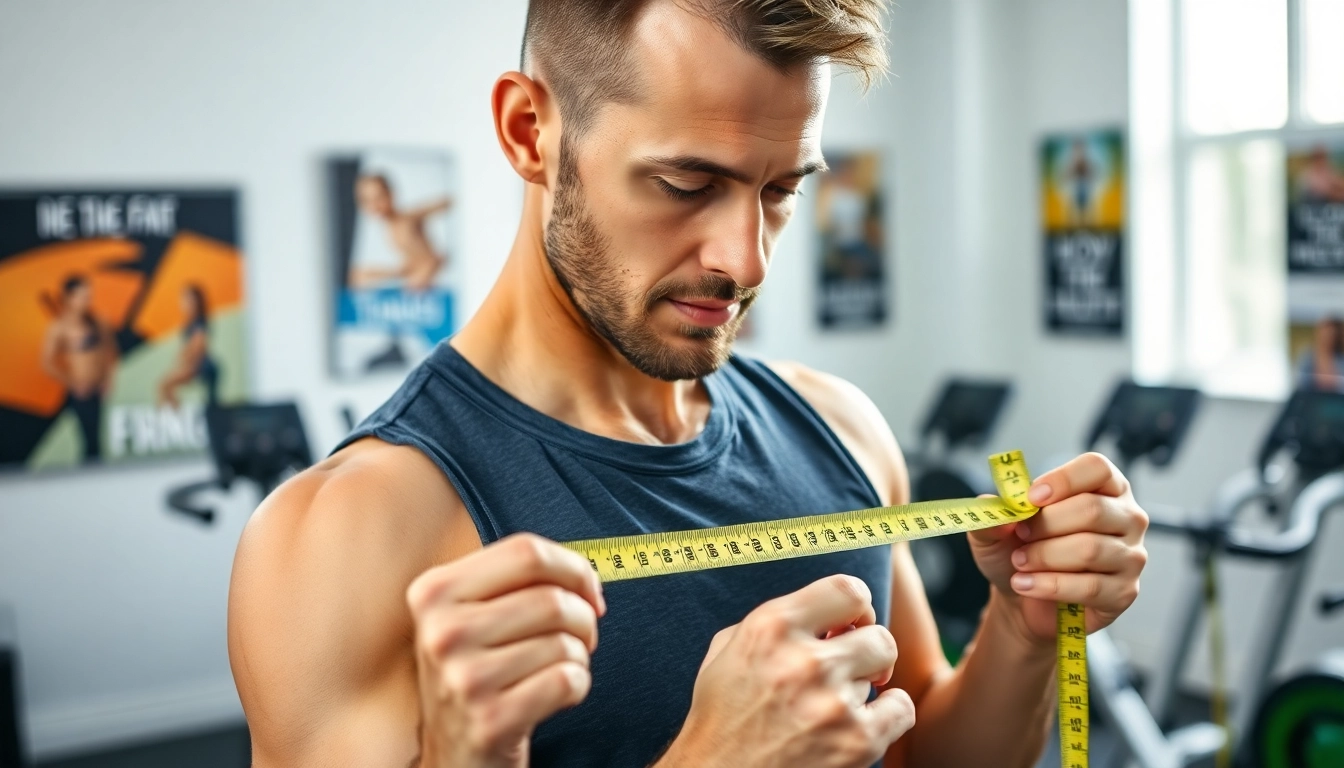
Understanding Body Fat Percentage
What is Body Fat Percentage?
Body fat percentage refers to the proportion of fat in your body compared to your total body weight. It is a more specific measurement than weight alone, as it provides insights into how much of your body is composed of fat versus lean mass such as muscle, bones, and organs. Understanding body fat percentage is crucial for evaluating overall health, fitness, and body composition. It is calculated using various methods, which often involve measurements of different body parts or the application of specific formulas.
Importance of Monitoring Body Fat Percentage
Monitoring body fat percentage is vital for several reasons. First, it helps assess and manage health risks associated with obesity, cardiovascular diseases, and diabetes. For instance, having a high body fat percentage can contribute to various health complications, while maintaining a healthy range can improve your overall quality of life. Second, fitness enthusiasts and athletes often track body fat percentage to optimize performance and ensure they maintain a healthy balance of muscle and fat in their bodies.
How Body Fat Percentage Affects Health
Your body fat percentage can significantly influence your health. A body fat percentage that is too low can lead to issues such as hormonal imbalances, weakened immune function, and muscle loss. Conversely, excessive body fat is associated with an increased risk of chronic conditions such as heart disease, hypertension, and certain cancers. Therefore, maintaining a healthy body fat percentage is essential for long-term wellness and disease prevention.
Using the Body Fat Percentage Calculator
Step-by-Step Guide to Using the Body Fat Percentage Calculator
Using a body fat percentage calculator is straightforward. Follow these steps:
- Gather necessary measurements, including your height, weight, and waist circumference.
- Visit a reliable body fat percentage calculator online.
- Input your measurements into the calculator.
- Submit the data to receive your estimated body fat percentage.
This process can be done easily at home or as part of a fitness program, providing crucial feedback on body composition.
Common Measurements Needed for Calculation
The most common measurements required to calculate body fat percentage include:
- Height: Your stature plays a crucial role in weight to fat ratio calculations.
- Weight: This is usually the first number you consider, but alone it doesn’t reflect fat percentage.
- Waist Circumference: This measurement is critical, particularly in assessing visceral fat.
- Neck Circumference: Used for some methods, particularly in estimating body composition in men.
- Hip Circumference: Important for women; it helps in understanding body shape and fat distribution.
Interpreting Your Results from the Body Fat Percentage Calculator
Once you’ve entered your information into the body fat percentage calculator and received your results, understanding what those numbers mean is critical. Generally, body fat percentage can be categorized as follows:
- Essential Fat: 10-13% for women, 2-5% for men.
- Athletes: 14-20% for women, 6-13% for men.
- Fitness: 21-24% for women, 14-17% for men.
- Acceptable: 25-31% for women, 18-24% for men.
- Obesity: Above 32% for women, 25% for men.
These ranges can vary based on individual health factors, so consider consulting a healthcare professional for personalized assessments.
Methods to Measure Body Fat
Differentiating Between Methods: BMI vs. Body Fat Percentage
While Body Mass Index (BMI) is a commonly used metric, it does not differentiate between muscle mass and fat, making it a less effective tool for assessing body composition. Body fat percentage, however, provides a better insight into how much of your body is made up of fat. BMI can be misleading in athletes or individuals with high muscle mass, where a low body fat percentage may coexist with a high BMI.
Advanced Techniques for Measuring Body Fat
For those seeking more accuracy, several advanced techniques can measure body fat percentage, including:
- DEXA Scan: Dual-energy X-ray absorptiometry, considered one of the most accurate methods, provides a detailed estimation of body composition, measuring fat, muscle, and bone mass.
- Bod Pod: This method uses air displacement to measure body volume and calculates body density, leading to an estimate of body fat percentage.
- Bioelectrical Impedance Analysis (BIA): This technique uses electric currents to estimate body fat based on the resistance of body tissues.
- Skinfold Measurement: Using calipers to measure the thickness of skinfolds in certain areas can help estimate body fat percentage, although it requires a skilled technician for accurate results.
Pros and Cons of Different Measurement Methods
Each method of measuring body fat has its advantages and disadvantages:
- DEXA Scan: Pros include high accuracy, while cons involve cost and availability issues.
- Bod Pod: Provides quick results but may also be prohibitive in cost.
- BIA: Easy to use, though results can vary based on hydration levels and device quality.
- Skinfold Measurement: Cost-effective and simple; however, it requires skill and may not be accurate for all body types.
Improving Your Body Fat Percentage
Dietary Adjustments for Reducing Body Fat
Improving your body fat percentage often begins with dietary changes. Some effective strategies include:
- Prioritizing Whole Foods: Focus on vegetables, fruits, lean proteins, whole grains, and healthy fats which provide essential nutrients without excess calories.
- Reducing Sugar and Processed Foods: High sugar levels and artificial ingredients can contribute to weight gain and visceral fat accumulation.
- Portion Control: Keep an eye on serving sizes to prevent overeating, even when consuming healthy foods.
- Hydration: Drinking sufficient water can help control appetite and reduce calorie intake.
Effective Workout Regimens
A comprehensive exercise program is essential for reducing body fat percentage. Incorporating both cardiovascular and strength training provides the most benefits:
- Cardio Workouts: Activities such as running, cycling, or swimming increase calorie expenditure and improve cardiovascular health.
- Strength Training: Lifting weights or resistance training helps build muscle, which burns more calories at rest compared to fat tissue.
- HIIT (High-Intensity Interval Training): Short bursts of intense exercise followed by rest can maximize fat loss in a shorter timeframe.
Setting Achievable Goals for Body Fat Management
When targeting a healthier body fat percentage, setting realistic goals is paramount. Ensure that your goals are Specific, Measurable, Achievable, Relevant, and Time-bound (SMART). For example, rather than aiming to lose a specific number of pounds, you might set an objective to lower your body fat percentage by a certain percentage within six months. This approach not only helps keep you accountable but also ensures sustained motivation.
Tracking Progress Over Time
Utilizing the Body Fat Percentage Calculator Regularly
Consistently using the body fat percentage calculator is essential for tracking progress. By measuring at regular intervals, you can identify trends, celebrate small victories, and adjust your plan as needed. Take measurements at the same time of day, under similar conditions (for example, after waking and before eating) to ensure accuracy.
Understanding Variations in Readings
It’s important to remember that body fat percentage readings can vary based on many factors, including hydration levels, timing of measurements, and even menstrual cycles in women. Therefore, fluctuations are normal and shouldn’t deter you from your long-term goals. Instead, focus on overall trends rather than day-to-day changes.
Maintaining Motivation through Benchmarking
Maintaining motivation is crucial for long-term success in body fat management. Benchmark your progress by setting up regular check-ins, joining fitness communities, or sharing your journey with friends or family. Celebrate your achievements—no matter how small—and remember that a balanced approach towards health is better than striving for perfection in a short time frame.

