Understanding Phone Number Formats
In our interconnected world, the ability to identify the source of a phone call or text message is invaluable. Whether it's a mysterious international number or a local landline, understanding phone number formats helps in deciphering their origins. This knowledge is particularly pertinent as we navigate through various phone service providers and international regulations. The who-called-me tool harnesses this understanding to provide users with essential insights into phone number origins.
What is E.164 Format?
The E.164 format is an international telephone numbering plan standard that ensures each phone number is unique and easily recognizable across the globe. It consists of a maximum of fifteen digits, comprising a country code, national destination code, and subscriber number. For example, a US number in E.164 format appears as +1 (212) 555-0100. Here, '+1' is the country code for the United States, followed by the area code '212' for New York City, and the subscriber number '555-0100'. This format helps in unifying communication standards internationally.
Importance of the + and Country Code
The '+' symbol preceding the country code is crucial as it indicates that the number follows international dialing conventions. Without this symbol and the correct country code, phone number lookups can yield inaccurate results. For instance, the number '212' could refer to New York, USA, or Morocco, which uses the country code '+212.' Hence, always including the '+' and country code is critical for accuracy.
Common Misconceptions about Number Formatting
Despite the straightforward guidelines for phone number formats, misconceptions persist. Many individuals often omit the '+' or fail to understand the significance of country codes. Additionally, the assumption that local formats are sufficient for international calling can lead to connectivity issues. By understanding the E.164 format and its components, users can avoid common pitfalls associated with phone number recognition.
How the 'Who Called Me' Tool Works
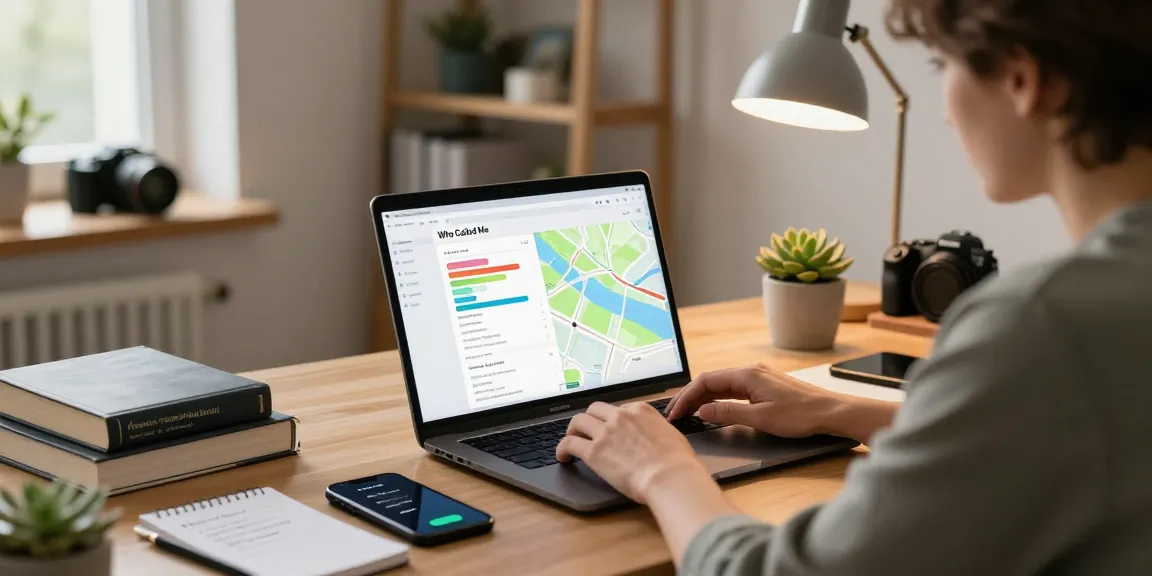
The 'Who Called Me' tool is designed to simplify the process of identifying the origin of phone numbers while providing users with essential information about the calls they receive. When you input a phone number in E.164 format, the tool processes the information and delivers immediate insights.
Step-by-Step Guide to Using the Tool
- Access the Tool: Navigate to the 'Who Called Me' section on our website.
- Enter the Phone Number: Input the full phone number, including the '+' symbol and country code.
- Initiate the Lookup: Click on the 'Lookup' button to begin the search.
- Review the Results: The tool will present information about the country of origin, area code, and number type.
Information Provided by the Lookup
Upon performing a lookup, users receive a wealth of information. This includes:
- Country of Origin: The country associated with the phone number.
- Area or City Code: Specific geographical areas linked to the number.
- Number Type: Identifies whether the number is mobile, landline, toll-free, or premium rate.
- Validity Check: Confirms if the number format aligns with the standards of the originating country.
Understanding the Geographic Origin of Numbers
Deciphering the geographic origin of a phone number involves not just knowing the country code, but also understanding area codes, which provide further detail about the location. For instance, a lookup for a number like +44 20 7946 0958 reveals that the call is from London, UK, specifically from the area designated by the '20' code.
Types of Phone Numbers Identified
Mobile vs. Landline: Understanding the Differences
One of the primary distinctions made in phone number identification is between mobile and landline numbers. Mobile numbers are typically more portable and allow users to take their number with them, while landlines are tied to a specific physical location. Mobile numbers may start with different prefixes depending on the provider, which can also hint at geographical areas.
What are Toll-Free and Premium Rate Numbers?
Toll-free numbers, usually starting with '800', '888', or '877', allow callers to reach businesses without incurring charges. On the other hand, premium rate numbers typically charge higher rates for calls, often being used for services like technical support or adult content. Understanding these types helps users evaluate the legitimacy of the call.
Valid Format Check: How It Works
The lookup tool also performs validation checks to ensure that the number format aligns with the corresponding country’s numbering plan. This helps to avoid issues such as dialing non-existent numbers. Validation ensures that users receive accurate information, thereby making informed decisions when answering calls from unknown numbers.
Best Practices for Phone Number Lookup
Ensuring Accurate Results with Proper Formatting
To ensure you receive precise results from the 'Who Called Me' tool, always enter the phone number in the correct E.164 format. This includes the '+' symbol followed by the country code. For example, always input a US number as +1 212 555 0100 rather than just 212 555 0100. This practice minimizes the risk of misidentification and enhances the accuracy of your search.
Common User Mistakes to Avoid
Some common mistakes include:
- Omitting the '+' or country code entirely.
- Entering numbers in local format rather than international.
- Assuming all unknown numbers require investigation without understanding the nature of the call.
Avoiding these pitfalls can significantly improve the efficiency of your number lookups.
Leveraging Additional IT Tools for Enhanced Lookup
In addition to using the 'Who Called Me' tool, users can leverage other IT tools to complement their phone number investigations. Tools for QR codes, barcodes, or database management can enhance their tech-savvy approach to communication. These resources can provide additional context or data that may be relevant when assessing incoming numbers.
Future Trends in Phone Lookup Services
Emerging Technologies Impacting Number Identification
As technology evolves, so too does the capability of phone lookup services. Emerging technologies, such as artificial intelligence and machine learning, are set to revolutionize the accuracy and responsiveness of identification systems. These technologies can analyze patterns and historical data to provide even more contextual information regarding callers.
Predictions for 2026 and Beyond
Looking ahead to 2026, we can expect enhanced predictive calling features that may help anticipate spam or phishing attempts before they reach users. Additionally, real-time data integration for lookup services will likely improve, allowing users to receive instant alerts about the nature of incoming calls based on a growing database of known numbers.
User Privacy Considerations in Phone Lookup Services
As with any service that utilizes personal data, privacy remains a paramount concern. Future iterations of lookup services will need to take into account user privacy and data protection measures to ensure that individuals feel secure when utilizing phone number identification tools. Adhering to regulations such as GDPR will be critical for the credibility and acceptance of these services.
What types of information can I find using Who Called Me?
When using the 'Who Called Me' tool, you can access comprehensive information such as the originating country, area code, type of number, and validity checks. These insights can help clarify whether a call is likely legitimate or potentially malicious.
Can I use Who Called Me for numbers outside my country?
Yes, the 'Who Called Me' tool is capable of processing numbers from over 200 countries. As long as the number is provided in the correct E.164 format, users can efficiently identify international numbers without limitation.
Is there a limit to how many lookups I can perform?
No, there is no set limit on the number of lookups you can perform. The tool is designed for seamless, on-demand user experience, enabling you to make as many inquiries as needed without restrictions.
How does Who Called Me ensure data accuracy?
The 'Who Called Me' tool leverages a constantly updated database that adheres to international numbering plans. For more information, who-called-me offers valuable insights. Through regular updates and validation processes, the service maintains high accuracy in the information provided to users.
Are there additional features planned for the service in 2026?
Future enhancements for the 'Who Called Me' service may include advanced filtering options, allowing users to search for numbers based on specific criteria or behaviors. Additionally, features focusing on user feedback could drive updates, improving service responsiveness and user satisfaction.