
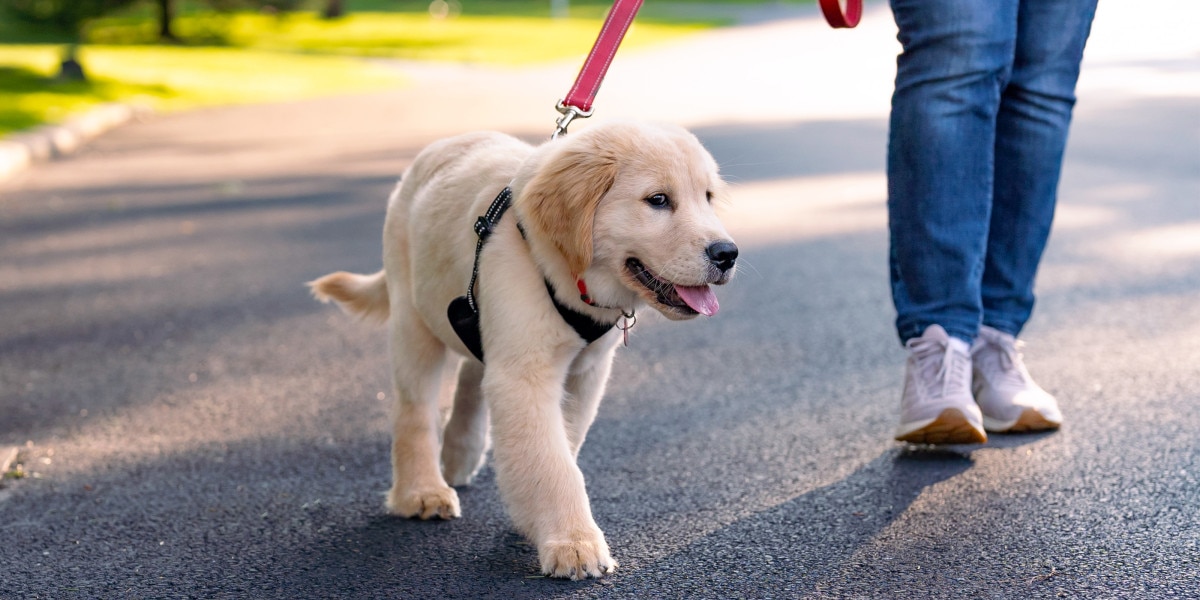
Bringing home a new puppy is exciting, but early behavior development shapes how that puppy responds to the world for years to come. Social behavior coaching for puppies helps young dogs develop healthy communication skills, emotional stability, and confidence in different environments. Puppies are constantly learning from people, animals, sounds, and experiences. Without proper guidance, small behavioral concerns can gradually become long-term habits.
At Rob’s Dog Training, we believe puppy socialization is far more than casual interaction at a park or pet store. Structured coaching helps puppies learn how to respond calmly, think clearly, and build trust with their owners. Proper early coaching creates a foundation for obedience, emotional control, and safer social interactions throughout adulthood.
- Why Early Social Development Matters
- What Social Behavior Coaching Actually Includes
- The Difference Between Socialization and Overstimulation
- Common Puppy Behavior Challenges Addressed Early
- Why Positive Reinforcement Works Best
- Social Behavior Coaching for Puppies and Family Life
- The Importance of Consistency at Home
- Building Confidence Without Creating Dependence
- Why Professional Guidance Can Make a Difference
- Safe Socialization Matters More Than Forced Interaction
- How Social Coaching Supports Future Obedience Training
- Signs Your Puppy May Benefit From Structured Coaching
- Long-Term Benefits of Early Puppy Social Development
- Final Thoughts
Why Early Social Development Matters
The first several months of a puppy’s life are critical for behavioral development. During this stage, puppies form emotional associations with new experiences. Positive exposure during this learning window often leads to calmer and more adaptable adult dogs.
When puppies lack healthy exposure, they may become:
- Fearful of strangers
- Reactive toward other dogs
- Overexcited in public environments
- Nervous around children
- Easily distracted outdoors
- Anxious during grooming or veterinary visits
Social behavior coaching for puppies introduces controlled experiences that help prevent these challenges before they become deeply rooted behaviors.
What Social Behavior Coaching Actually Includes
Many people assume puppy socialization simply means letting dogs interact freely. In reality, structured coaching focuses on teaching emotional regulation, focus, and communication.
Professional puppy social coaching often includes:
Controlled Human Interaction
Puppies learn how to approach people calmly without jumping, barking, or becoming fearful. Exposure to different ages, appearances, voices, and movement patterns helps create confidence.
Healthy Dog-to-Dog Communication
Not every puppy naturally understands canine boundaries. Coaching helps puppies recognize appropriate play behavior, body language, and social cues.
Environmental Confidence Building
Puppies encounter many unfamiliar situations during daily life. Training exposure may include:
- Traffic sounds
- Busy sidewalks
- Public parks
- Veterinary environments
- Household noises
- Different flooring textures
- Car rides
Gradual exposure reduces fear responses and builds adaptability.
Impulse Control Development
Young puppies often struggle with excitement regulation. Social coaching teaches patience, calm behavior, and focus around distractions.
Handler Engagement
A socially confident puppy still needs a strong connection with its owner. Coaching reinforces attention to the handler during stimulating situations.
The Difference Between Socialization and Overstimulation
One common mistake owners make is overwhelming puppies with too much stimulation too quickly. Busy dog parks, crowded events, or uncontrolled playgroups can create stress rather than confidence.
Healthy social behavior coaching for puppies focuses on quality interactions instead of quantity. Puppies benefit more from calm, structured exposure than chaotic environments.
Signs of overstimulation may include:
- Excessive barking
- Nipping
- Hiding
- Trembling
- Hyperactivity
- Ignoring commands
- Difficulty settling down
Professional trainers monitor body language carefully to ensure puppies remain emotionally balanced during social learning sessions.
Common Puppy Behavior Challenges Addressed Early
Early coaching can reduce the likelihood of future behavioral problems. Puppies are highly impressionable, which makes proactive training especially effective.
Excessive Jumping
Excited greetings often begin during puppyhood. Structured coaching teaches calm approaches and polite interactions.
Leash Reactivity
Some puppies become overly excited or nervous when seeing dogs or people during walks. Early guidance teaches focus and calm leash behavior.
Fearful Reactions
Puppies who avoid new experiences may benefit from gradual confidence-building exercises and positive exposure.
Mouthiness and Nipping
Puppies naturally explore with their mouths, but coaching helps teach bite inhibition and appropriate play behavior.
Separation Frustration
Social confidence also includes emotional independence. Puppies can learn healthy coping behaviors when left alone for short periods.
Why Positive Reinforcement Works Best
Modern puppy coaching emphasizes reward-based learning methods. Positive reinforcement encourages puppies to repeat desired behaviors while building trust with the handler.
Reward-based coaching may include:
- Treat rewards
- Verbal praise
- Toys
- Play sessions
- Calm affection
Punishment-heavy approaches can increase fear, anxiety, or defensive behaviors in young puppies. Confidence-building methods typically produce stronger long-term results.
Social Behavior Coaching for Puppies and Family Life
Puppies do not learn behavior in isolation. Their habits directly influence household routines, family interactions, and daily stress levels.
A well-socialized puppy is often more likely to:
- Settle calmly indoors
- Respond reliably to guidance
- Interact safely with visitors
- Walk politely in public
- Adapt to routine changes
- Travel more comfortably
- Build stronger owner relationships
Families with children especially benefit from early social behavior coaching because puppies learn appropriate boundaries and calmer interaction patterns.
The Importance of Consistency at Home
Training sessions alone are not enough to shape long-term behavior. Puppies learn through repetition and consistency across daily routines.
Owners should reinforce coaching through:
- Clear household rules
- Predictable routines
- Calm communication
- Consistent reward timing
- Structured play sessions
- Supervised social exposure
Mixed expectations can confuse puppies and slow behavioral progress.
Building Confidence Without Creating Dependence
Confident puppies are not simply outgoing or energetic. True confidence involves emotional stability, resilience, and adaptability.
Effective coaching helps puppies learn how to:
- Recover from startling experiences
- Stay calm around distractions
- Think instead of reacting impulsively
- Observe before responding
- Trust the handler’s guidance
This balanced approach helps avoid both fearful behavior and uncontrolled excitement.
Why Professional Guidance Can Make a Difference
Many puppy owners unintentionally reinforce behaviors they are trying to stop. For example, comforting fearful reactions incorrectly or rewarding overexcitement can create long-term habits.
Professional trainers help identify:
- Early stress signals
- Behavioral triggers
- Communication mistakes
- Social imbalance patterns
- Timing issues during training
Experienced coaching also provides structured exposure opportunities that many owners cannot safely recreate on their own.
At Rob’s Dog Training, our approach focuses on helping puppies develop calm social skills while strengthening owner communication and trust.
Safe Socialization Matters More Than Forced Interaction
Some puppies naturally approach new experiences confidently, while others need slower introductions. Successful social behavior coaching for puppies respects each dog’s temperament and developmental pace.
Forcing interaction can increase anxiety. Instead, puppies should be allowed to observe, process, and gradually engage while remaining emotionally comfortable.
Healthy socialization should prioritize:
- Safety
- Controlled environments
- Positive experiences
- Calm exposure
- Gradual progression
- Emotional balance
This method helps puppies build authentic confidence rather than temporary tolerance.
How Social Coaching Supports Future Obedience Training
Puppies who learn emotional regulation early often progress more smoothly in obedience training later. Focus, impulse control, and handler engagement all contribute to learning readiness.
Social coaching strengthens foundational skills such as:
- Attention around distractions
- Calm leash behavior
- Reliable recall
- Patience
- Confidence in unfamiliar environments
These abilities support more advanced training goals as puppies mature into adolescence and adulthood.
Signs Your Puppy May Benefit From Structured Coaching
Every puppy can benefit from professional social development, but some signs may indicate additional support is needed.
Watch for behaviors such as:
- Fear of strangers
- Excessive barking
- Nervousness outdoors
- Difficulty settling
- Rough play behavior
- Anxiety during walks
- Constant pulling on the leash
- Overreaction to sounds
- Poor focus around distractions
Addressing these behaviors early is often easier than correcting them later in adulthood.
Long-Term Benefits of Early Puppy Social Development
Social behavior coaching is an investment in long-term quality of life for both the dog and owner. Puppies who learn healthy social skills early are often easier to manage and more adaptable throughout life.
Long-term benefits may include:
- Reduced anxiety
- Better public behavior
- Improved owner communication
- Safer social interactions
- Lower risk of reactive behavior
- Increased confidence
- Better adaptability during life changes
Strong behavioral foundations help dogs succeed in a wide variety of real-world situations.
Final Thoughts
Social behavior coaching for puppies provides far more than basic social exposure. It helps shape emotional stability, communication skills, confidence, and trust during one of the most important developmental stages of a dog’s life.
Early guidance helps puppies learn how to navigate the world calmly and safely while building stronger relationships with their owners. Structured coaching also reduces the risk of many common behavioral struggles that develop later without proper support.
At Rob’s Dog Training, we focus on helping puppies develop healthy social habits through structured, balanced, and positive training methods that support long-term success for both dogs and their families.