
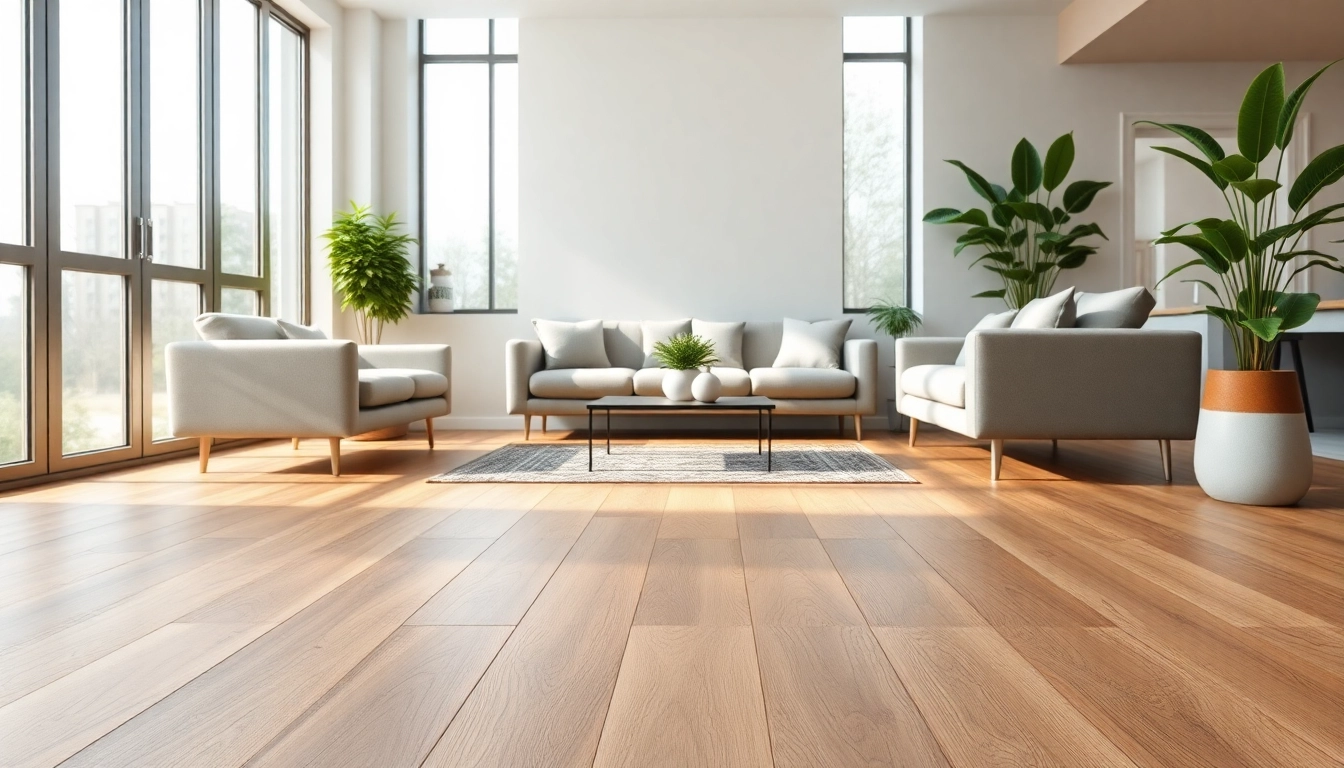
Understanding Vinyl Plank Flooring
What Is Vinyl Plank Flooring?
Vinyl plank flooring is an innovative flooring solution that mimics the appearance of natural materials, such as hardwood, tile, or stone. Crafted from high-quality vinyl, this flooring option is known for its durability, affordability, and ease of maintenance. Comprising multiple layers, including a protective wear layer, design layer, core, and backing, vinyl plank flooring offers both aesthetic appeal and practical functionality. Its design versatility makes it an ideal choice for various interior styles, ranging from rustic to modern. For homeowners seeking an attractive yet resilient flooring option, vinyl plank flooring offers the perfect balance.
Types of Vinyl Plank Flooring
Vinyl plank flooring comes in a variety of options tailored to meet diverse needs and preferences. Here are the primary types:
- Glue-down Vinyl Planks: These planks are adhered directly to the subfloor with glue. They are ideal for high-traffic areas and provide a stable feel underfoot.
- Loose Lay Vinyl Planks: These planks do not require any adhesive or locking mechanism and can be laid directly on the subfloor. Their flexibility makes them easy to install and replace.
- Click-lock Vinyl Planks: Featuring a tongue-and-groove system, these planks easily interlock, making installation fast and straightforward. They are perfect for DIY enthusiasts.
- Rigid Core Vinyl Planks: With a thicker construction, these planks offer added stability and comfort underfoot, making them suitable for imperfect subfloors.
Benefits of Vinyl Plank Flooring
The benefits of vinyl plank flooring make it a popular choice for homeowners and designers alike:
- Durability: Vinyl plank flooring is engineered to withstand heavy foot traffic, making it less prone to scratches, dents, and wear.
- Water Resistance: Many vinyl planks are waterproof or water-resistant, making them perfect for moisture-prone areas such as kitchens and bathrooms.
- Comfort: Vinyl planks provide a soft, warm feel underfoot compared to harder surfaces like tile or hardwood.
- Easy Maintenance: Cleaning vinyl plank flooring is simple; regular sweeping and occasional mopping are usually all that’s needed.
- Versatility: With a wide array of designs and finishes, vinyl plank flooring can complement any decor.
How to Select Vinyl Plank Flooring
Key Factors to Consider
When selecting vinyl plank flooring, it’s essential to consider several key factors to ensure it meets your needs:
- Room Type: Determine where the flooring will be installed. High-moisture areas may require waterproof or water-resistant options.
- Traffic Level: Evaluate foot traffic volume. Higher traffic areas may necessitate more durable flooring options.
- Thickness: Thicker planks might provide better sound insulation and comfort underfoot.
- Wear Layer: This top protective layer is crucial for durability. A thicker wear layer is generally better for resilience against scratches and stains.
Choosing the Right Color and Style
The color and style of vinyl plank flooring significantly impact the overall aesthetic of a room. Consider these tips:
- Match Your Decor: Choose colors that complement your existing furniture and decor style. Light colors can make spaces feel larger, whereas dark hues add warmth.
- Sample Swatches: Always request samples before making a final decision. This allows you to see how the planks look in your lighting conditions.
- Test Textures: Different textures offer varied visual effects. Opt for a finish that suits your style, whether it’s a weathered wood look or smooth tile appearance.
Understanding the Installation Process
Installing vinyl plank flooring can be a straightforward process, particularly for click-lock options. Here’s a step-by-step overview:
- Preparation: Clear the area and ensure the subfloor is clean, dry, and level.
- Acclimation: Allow planks to acclimate to the room temperature and humidity for 48 hours prior to installation.
- Laying Out Planks: Plan your layout and start laying planks from the left side of the room. Stagger the seams to create a natural look.
- Clicking into Place: If using click-lock planks, angle each plank to engage the locking mechanism and lay it flat.
Maintenance and Care for Vinyl Plank Flooring
Daily Cleaning Tips
Maintaining vinyl plank flooring is relatively easy. Here are some daily cleaning tips:
- Sweeping: Regularly sweep or use a vacuum without a beater bar to remove dirt and debris.
- Mopping: Use a damp mop with a pH-neutral cleaner specifically designed for vinyl flooring.
- Stain Removal: For stubborn stains, mild soapy water and a soft cloth work wonders.
Preventive Measures for Longevity
To extend the life of your vinyl plank flooring, implement these preventive strategies:
- Furniture Pads: Use felt pads under furniture legs to prevent scratches.
- Avoid Harsh Cleaners: Steer clear of abrasive or acidic cleaners that could damage the finish.
- Regular Inspections: Frequently check for signs of wear, and address issues promptly to avoid more substantial damage.
Common Mistakes to Avoid
When caring for your vinyl plank flooring, be mindful of these common mistakes:
- Using Too Much Water: Excessive water can seep into seams and cause damage. Always use a damp mop.
- Neglecting Regular Maintenance: Regular cleaning helps prevent dirt buildup, which can lead to permanent stains.
- Ignoring Manufacturer Guidelines: Follow all specific care instructions provided by the manufacturer to maintain warranty coverage.
Comparing Vinyl Plank Flooring with Other Options
Vinyl Plank Flooring vs Hardwood Flooring
While both vinyl plank flooring and hardwood flooring offer beauty, they differ significantly in maintenance, cost, and durability. Hardwood is more vulnerable to scratches and moisture, requiring more upkeep. Conversely, vinyl planks are incredibly durable, resistant to water, and highly affordable. For homeowners prioritizing practicality along with aesthetics, vinyl plank flooring stands out as the more versatile choice.
Vinyl Plank Flooring vs Laminate Flooring
When comparing vinyl plank flooring with laminate flooring, both options can mimic traditional materials, but they differ in construction and performance. Laminate is less water-resistant than vinyl, making it less suitable for high-moisture areas. Vinyl plank flooring, on the other hand, offers superior water resistance and comfort underfoot, making it ideal for kitchens and bathrooms. Furthermore, laminate relies on a fiberboard core, which isn’t as forgiving as the thicker cores found in many vinyl planks.
Cost Analysis of Vinyl Plank Flooring
On average, vinyl plank flooring is one of the more affordable flooring solutions available. Pricing can vary based on brand, thickness, and design. Typical costs range from $2 to $7 per square foot, including installation. When weighed against other flooring types, vinyl plank flooring tends to be more budget-friendly while providing high value in durability, aesthetics, and ease of maintenance, making it a smart investment.
FAQs About Vinyl Plank Flooring
What is the lifespan of vinyl plank flooring?
Vinyl plank flooring typically lasts between 10 to 30 years, depending on quality and care. Higher grade options with thicker wear layers tend to last longer.
Can vinyl plank flooring be installed over existing floors?
Yes, vinyl plank flooring can often be installed over existing floors like tile, provided they’re level and in good condition. It’s essential to assess the subfloor first.
Is vinyl plank flooring waterproof?
Many vinyl plank flooring options are waterproof, making them perfect for areas prone to spills, like kitchens and bathrooms. However, checking product specifications is crucial.
How can I repair scratches on vinyl plank flooring?
Minor scratches can often be repaired using a vinyl floor repair kit. For deeper scratches, consider using a color-matched filler or replacing the plank entirely.
What maintenance does vinyl plank flooring require?
Maintenance involves regular sweeping or vacuuming, mopping with a damp cloth and a suitable cleaner, and promptly addressing any spills or stains to keep your floor looking new.