
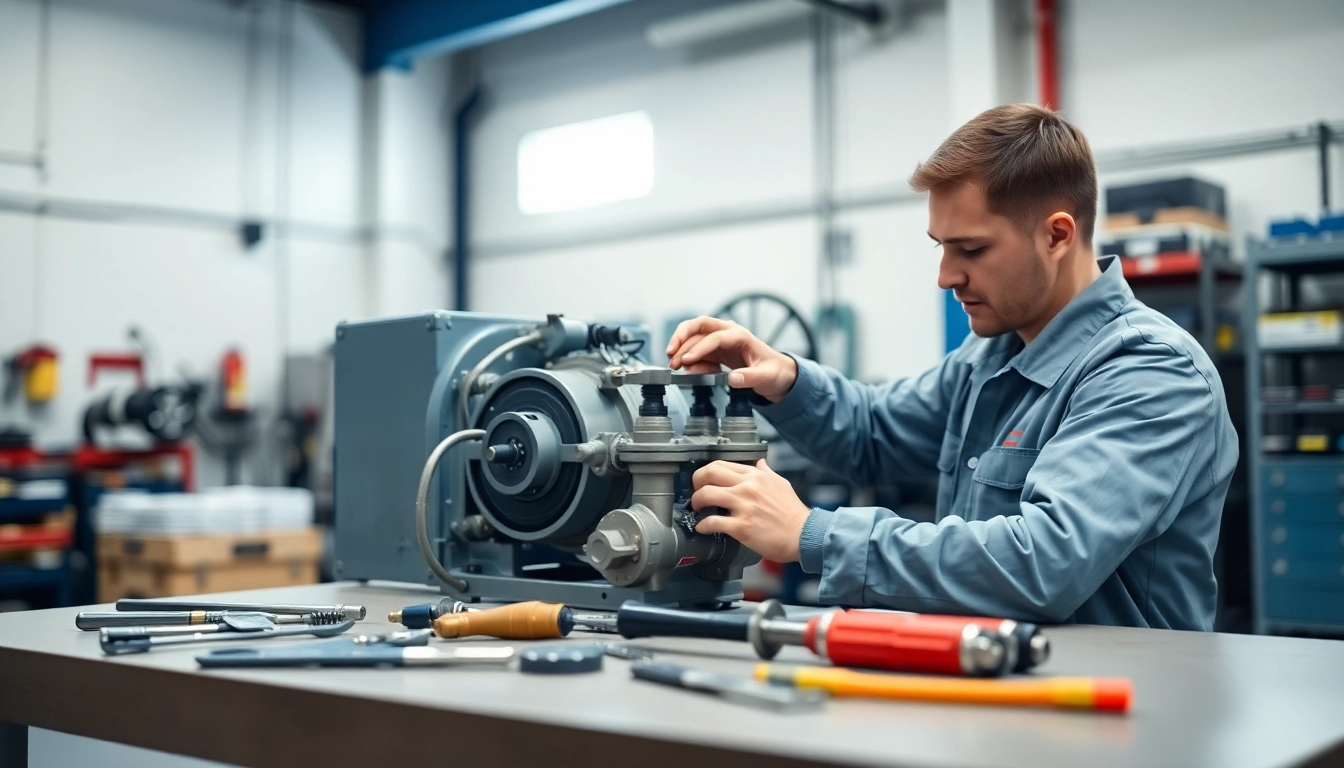
Understanding Hydraulic Systems
What is a Hydraulic System?
A hydraulic system is a technology that uses fluid under pressure to operate machinery or systems. It functions based on Pascal’s principle, which states that pressure applied to a confined fluid is transmitted undiminished in all directions. Common applications include construction equipment, manufacturing machinery, and automotive systems, leveraging hydraulic power for tasks that require high force and precision.
Key Components of Hydraulic Systems
The effectiveness of a hydraulic system lies in its components, which include:
- Hydraulic Fluid: Transmits power and lubricates components.
- Pumps: Convert mechanical energy into hydraulic energy by pressurizing the fluid.
- Actuators: Convert hydraulic energy back into mechanical energy, often in the form of cylinders or motors.
- Valves: Control the flow and direction of the fluid within the system.
- Reservoir: Stores hydraulic fluid and helps to dissipate heat.
Importance of Hydraulic System Maintenance
Routine hydraulic system maintenance is essential to ensure reliable operation and prolong the lifespan of hydraulic equipment. Proper maintenance not only prevents costly repairs but also enhances system efficiency, promotes safety, and reduces unplanned downtimes. Regular checks and timely interventions can optimize performance, ensuring that hydraulic systems function as intended under varied conditions.
Common Hydraulic System Issues
Identifying Signs of Malfunction
Being proactive involves recognizing early signs of hydraulic system failure, which can prevent significant operational disruptions. Key indicators include:
- Noisy Operation: Unusual sounds can indicate problems within the pump, motor, or other components.
- Fluid Leaks: Visible fluid leaks often signal seal failure or damage to pipes.
- Inconsistent Pressure: Fluctuating pressure readings can hint at valve issues or fluid contamination.
- Excessive Heat: Overheating may occur due to insufficient fluid or malfunctioning components.
Common Hydraulic System Problems
Hydraulic systems can encounter various problems, including:
- Fluid Contamination: Dirt, water, and other contaminants can compromise hydraulic fluid integrity, leading to wear and tear.
- Pump Failures: Pumps may fail due to cavitation, misalignment, or wear, affecting overall system performance.
- Seal Failures: Worn or damaged seals can lead to leaks, reducing the effectiveness of the hydraulic system.
- Valve Malfunctions: Improper operation of valves can affect fluid flow control, leading to inefficient machinery operation.
Impact of Neglecting Hydraulic Maintenance
Neglecting regular maintenance can have severe repercussions, including:
- Increased Downtime: Breakdowns lead to interrupted operations, impacting productivity.
- Higher Replacement Costs: Delaying maintenance can escalate minor issues into major failures requiring costly replacements.
- Safety Hazards: Malfunctioning hydraulic systems pose safety risks to personnel and equipment.
Best Practices for Hydraulic System Maintenance
Creating a Maintenance Checklist
Developing a comprehensive maintenance checklist is vital for ensuring consistent and effective care for hydraulic systems. Key tasks include:
- Checking fluid levels and quality.
- Inspecting seals and hoses for wear or damage.
- Changing filters regularly to prevent contamination.
- Checking the condition of actuators and valves.
Scheduled Maintenance and Inspections
Scheduling regular maintenance and inspections is crucial. Establishing a routine based on equipment usage and operating conditions can help identify potential issues early and maintain optimal performance across the lifespan of the hydraulic system. Typical intervals include daily, weekly, and monthly checks, depending on workload and operational demands.
Importance of Quality Hydraulic Fluids
The choice of hydraulic fluid significantly impacts the performance and longevity of hydraulic systems. Quality fluids can enhance lubrication, reduce wear, and better withstand high temperatures and pressures. Regular monitoring and changing of fluids when contaminated or degraded are part of best practices to maintain system reliability.
Advanced Techniques in Hydraulic Maintenance
Using Diagnostic Tools Effectively
Implementing modern diagnostic tools enables technicians to assess hydraulic systems efficiently. Tools such as pressure gauges, flow meters, and thermal imaging can help monitor system performance and identify issues early. Graphical representations of data can also enhance understanding and facilitate quicker decision-making.
Implementing Predictive Maintenance Strategies
Predictive maintenance involves using data analytics and sensor technologies to foresee potential failures before they happen. By examining trends and anomalies in data, operators can schedule maintenance during non-peak times, thus avoiding unexpected breakdowns and reducing operational risks.
Training Staff on Hydraulic Care
Investing in the education and training of staff responsible for hydraulic systems is crucial. Proper training empowers workers to recognize issues quickly and understand maintenance protocols, contributing significantly to the longevity and efficiency of hydraulic systems.
FAQs about Hydraulic System Maintenance
What is the typical frequency for hydraulic system maintenance?
Routine checks are recommended every 3-6 months, depending on usage and environment to ensure optimal performance.
How can I tell if my hydraulic fluid needs changing?
Look for discoloration, unusual odors, or contaminants in the fluid, which indicate it’s time for a replacement.
What are the signs of hydraulic system failure?
Signs include unusual noises, reduced performance, noticeable leaks, or fluctuating pressure readings that warrant immediate attention.
Can I perform hydraulic maintenance myself?
Basic maintenance tasks can be done by knowledgeable personnel, but complex repairs should always be handled by trained professionals.
What are the benefits of preventive maintenance?
Preventive maintenance enhances system reliability, minimizes downtime, and saves costs over time by addressing issues before they escalate.
Contact Information
Call Us: 1 780-452-2876
Email: [email protected]
Address: 13111 159 St NW, Edmonton, AB, Canada, T5V 1H6