

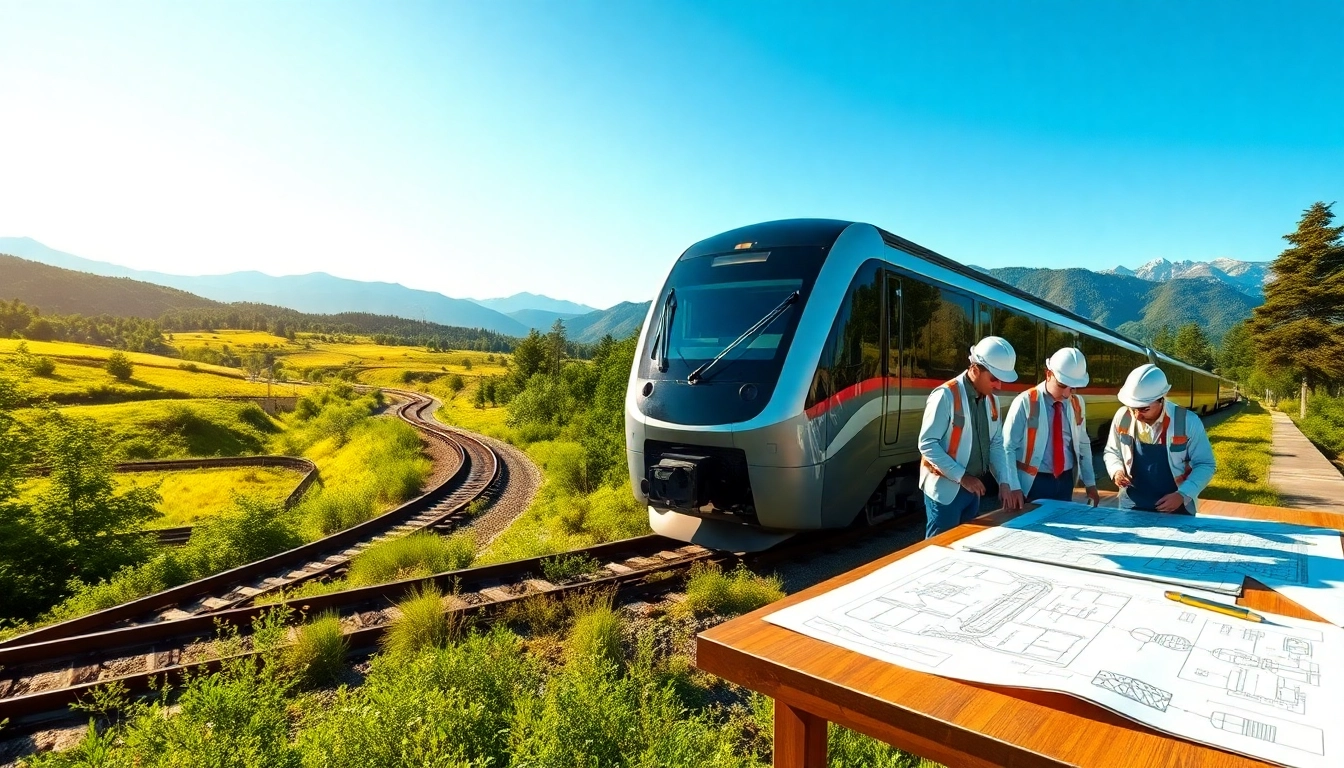
Overview of Railroad Engineering
Definition and Importance
Railroad engineering is a specialized discipline focused on the design, construction, operation, and maintenance of rail systems. It plays a crucial role in ensuring that rail transport remains a viable and efficient mode of transportation for both freight and passengers. With a global focus on enhancing transportation networks to support economic growth, the significance of effective Railroad Engineering continues to rise. The discipline encompasses a wide array of responsibilities, from technical design to safety management, and is fundamental in shaping the future of transportation infrastructure.
History and Evolution
The roots of railroad engineering can be traced back to the early 19th century with the advent of steam locomotives and track construction. The initial designs focused on basic tracks and rolling stock, progressively evolving through industrial advancements. Innovations such as the transition from wooden to steel rails, the introduction of signaling systems, and modern maintenance practices have shaped the current state of the industry. Today, railroad engineering integrates advanced technologies, such as computer-aided design (CAD) and machine learning, to improve efficiency and safety.
Core Disciplines of Railroad Engineering
Railroad engineering is multifaceted, involving disciplines such as civil engineering, mechanical engineering, electrical engineering, and environmental science. Civil engineers focus on track design and construction, ensuring the structural integrity of rail systems. Mechanical engineers design rolling stock and locomotive systems, while electrical engineers work on signaling and communications. Environmental engineers assess the impact of railways on ecosystems and develop sustainable practices. This interdisciplinary approach is vital for fostering a comprehensive understanding of railroad systems.
Key Responsibilities of Railroad Engineers
Designing and Planning Railroad Systems
One of the primary responsibilities of railroad engineers is the design and planning of railroad systems. This involves surveying potential routes, undertaking feasibility studies, and creating detailed engineering plans. Geographic considerations play a significant role, as engineers must account for terrain, existing infrastructure, and environmental factors. Software tools are extensively employed to model rail systems, enabling engineers to simulate various scenarios and optimize designs for efficiency and safety.
Maintenance and Safety Protocols
Maintenance is crucial in railroad engineering, directly impacting safety and operational effectiveness. Engineers develop and implement preventive maintenance schedules to address track wear and tear, rolling stock inspections, and signal equipment checks. Safety protocols are paramount; compliance with federal regulations and industry standards ensures that risks are minimized. Engineers must remain vigilant about emerging safety technologies, conducting regular risk assessments and training employees in safety protocols.
Environmental Considerations in Railroad Engineering
As the demand for sustainable transportation options grows, environmental considerations have become a priority in railroad engineering. Engineers conduct environmental impact assessments (EIAs) to evaluate the effects of rail construction and operations on ecosystems. Solutions such as noise reduction techniques, wildlife crossings, and energy-efficient train systems are essential for promoting sustainability. Moreover, the integration of renewable energy sources, like solar panels and wind turbines, is transforming the operational landscape of rail systems.
Essential Skills for Railroad Engineering Professionals
Technical Skills and Qualifications
Technical proficiency in engineering principles, computer-aided design software, and project management methodologies is vital for railroad engineers. A strong educational background in civil, mechanical, or electrical engineering is generally required, often supplemented with specialized training in railroad operations. Engineers should be adept at interpreting technical specifications, making calculations, and applying engineering codes and standards relevant to the rail sector.
Soft Skills for Effective Collaboration
While technical skills are essential, soft skills are equally important in railroad engineering. Effective communication facilitates collaboration among multidisciplinary teams and stakeholders. Problem-solving abilities allow engineers to navigate challenges that arise during projects. Leadership skills are crucial, particularly for project managers who must coordinate diverse teams and ensure adherence to deadlines and budgets.
Continuous Learning and Development
The field of railroad engineering is dynamic, necessitating ongoing education and professional development. Engineers should remain updated on new technologies, regulatory changes, and industry best practices. Professional associations offer resources such as workshops, seminars, and certification programs to foster continuous learning. Engaging in professional development helps engineers adapt to shifts in technology and environmental standards while enhancing career growth.
Challenges in the Railroad Engineering Industry
Addressing Infrastructure Limitations
Many railroads operate on aging infrastructure, which can hinder efficiency and safety. Engineers face challenges in upgrading existing systems while minimizing disruptions to services. The high cost of infrastructure improvement projects requires strategic planning and justification for budget allocations. Innovative approaches such as public-private partnerships (PPPs) can facilitate infrastructure investments, allowing for upgrades and modernization without solely relying on public funding.
Impact of Technology on Engineering Practices
The integration of technology into railroad engineering practices presents both opportunities and challenges. Emerging technologies, such as automation, Internet of Things (IoT), and big data analytics, are transforming operations. While these innovations enhance efficiency and data-driven decision-making, engineers must adapt to new systems and manage potential cybersecurity threats. Balancing technological advancements with traditional engineering practices is essential for achieving optimal results in railroad systems.
Regulatory and Environmental Challenges
Railroad engineers must navigate a complex landscape of regulations at federal, state, and local levels. These regulations often evolve in response to safety incidents or environmental concerns, requiring engineers to stay informed and compliant. Additionally, engineers face public scrutiny regarding the environmental impacts of rail projects. Proactively engaging with communities and conducting thorough environmental assessments can help address concerns and build public trust.
Future Trends in Railroad Engineering
Innovation and Technological Advancements
The future of railroad engineering will be heavily influenced by innovation and emerging technologies. Drone technology is being increasingly employed for track inspections, while autonomous trains may become more prevalent, enhancing efficiency and reducing operating costs. The use of machine learning for predictive maintenance is also on the rise, enabling engineers to address potential failures before they occur. Continuous investments in research and development will be critical for advancing these technologies.
The Role of Sustainability in Rail Transport
Sustainability is becoming a focal point in railroad engineering as governments and organizations push for greener transportation solutions. Efforts to reduce carbon footprints will lead to the adoption of more energy-efficient locomotives and electrified rail systems. Engineers will play a crucial role in designing solutions that minimize impacts on local ecosystems while promoting sustainable practices across all phases of rail development.
Career Opportunities in Railroad Engineering
The demand for skilled railroad engineering professionals is expected to grow, creating diverse career opportunities. Roles range from design engineers to project managers and environmental specialists. Organizations and educational institutions continue to invest in training programs that prepare the next generation of engineers for the future. Industry partnerships with universities will further enhance the skillsets of emerging professionals, ensuring a robust workforce for the railroad sector.
Frequently Asked Questions
What is railroad engineering?
Railroad engineering is the discipline focused on the design, construction, operation, and maintenance of rail systems, ensuring efficiency and safety in rail transport.
What skills are essential for railroad engineers?
Essential skills include technical expertise in applicable engineering principles, project management, effective communication, and problem-solving abilities.
How can sustainability be integrated into railroad engineering?
Sustainability in railroad engineering can be achieved by employing energy-efficient technologies, minimizing environmental impact, and utilizing renewable energy sources.
What are the primary challenges facing the railroad engineering industry?
Key challenges include aging infrastructure, the need for technological adaptation, and compliance with evolving regulations and environmental standards.
Are there career opportunities in railroad engineering?
Yes, the railroad engineering industry offers various career opportunities, including design engineers, project managers, and specialists in environmental sciences.
Contact Information
Call Us: (855) 920-8722
Email: [email protected]
Address: 350 Fossil Creek Boulevard, Suite 106, Fort Worth, TX, United States, Texas
